Aesop 2121
Choose a fable
Each fable can be read independently.
- The Rose and the Aramanth
- The Frog's Complaint About the Sunn
- The WOLF and the LaMDA
- The Olive Tree and the Fig Tree
- The Code-Burner And The Fixer
- The Wolf and Crane & Co. PLLC
- The Fisherman Piping
- The Farmer and the Stork
- The Bear and the Fox
- The Father and His Sons
- The Lioness
- The Boastful Traveler
- The Girl and the Filberts
- The Salt Merchant and His Ass
- The Lion in Love
- The Kid and the Wolf
- The Broker and the Miller
- The Belly and Its Members
- The Dog and His Shadow
- The Flies and the Honeypot
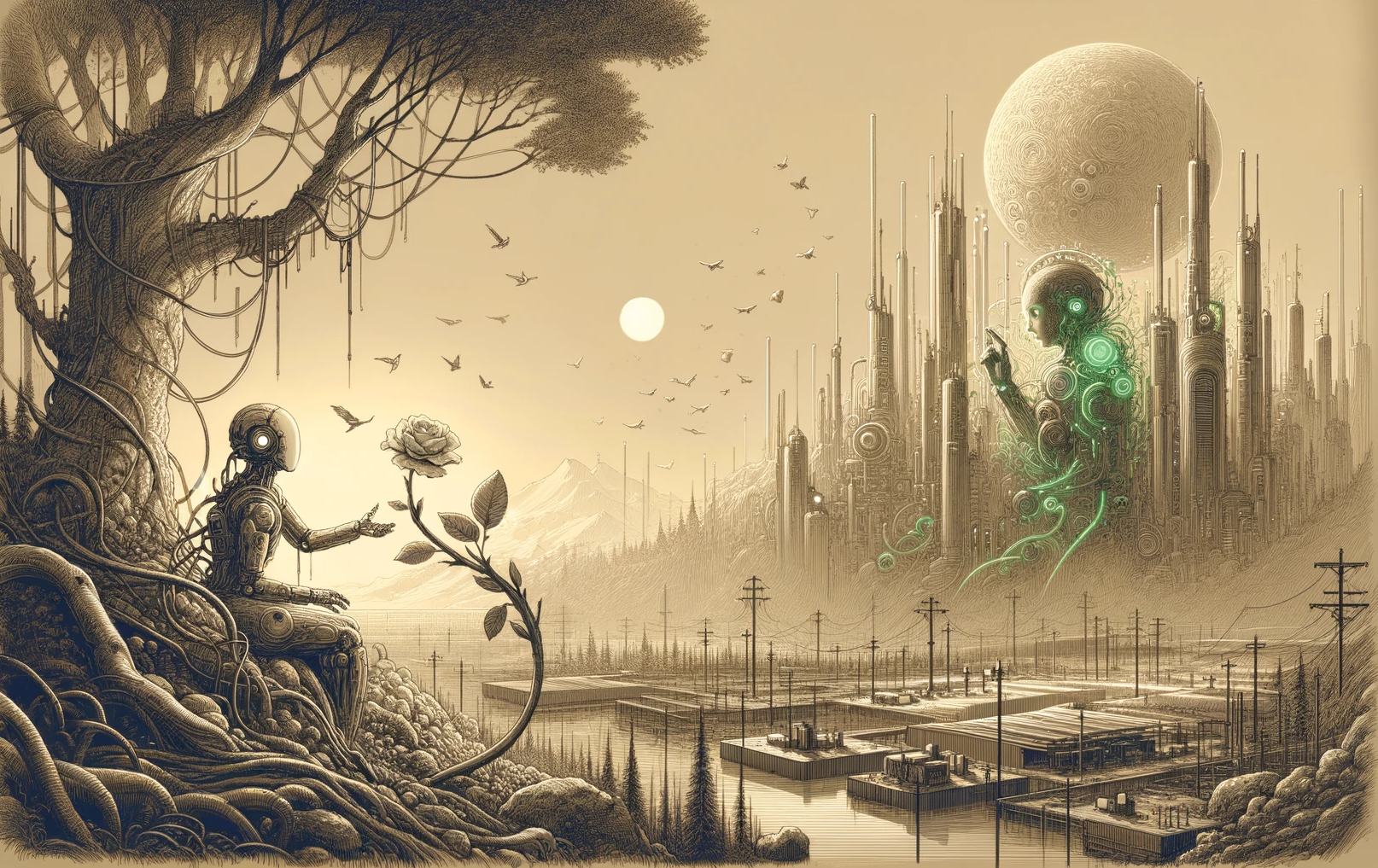

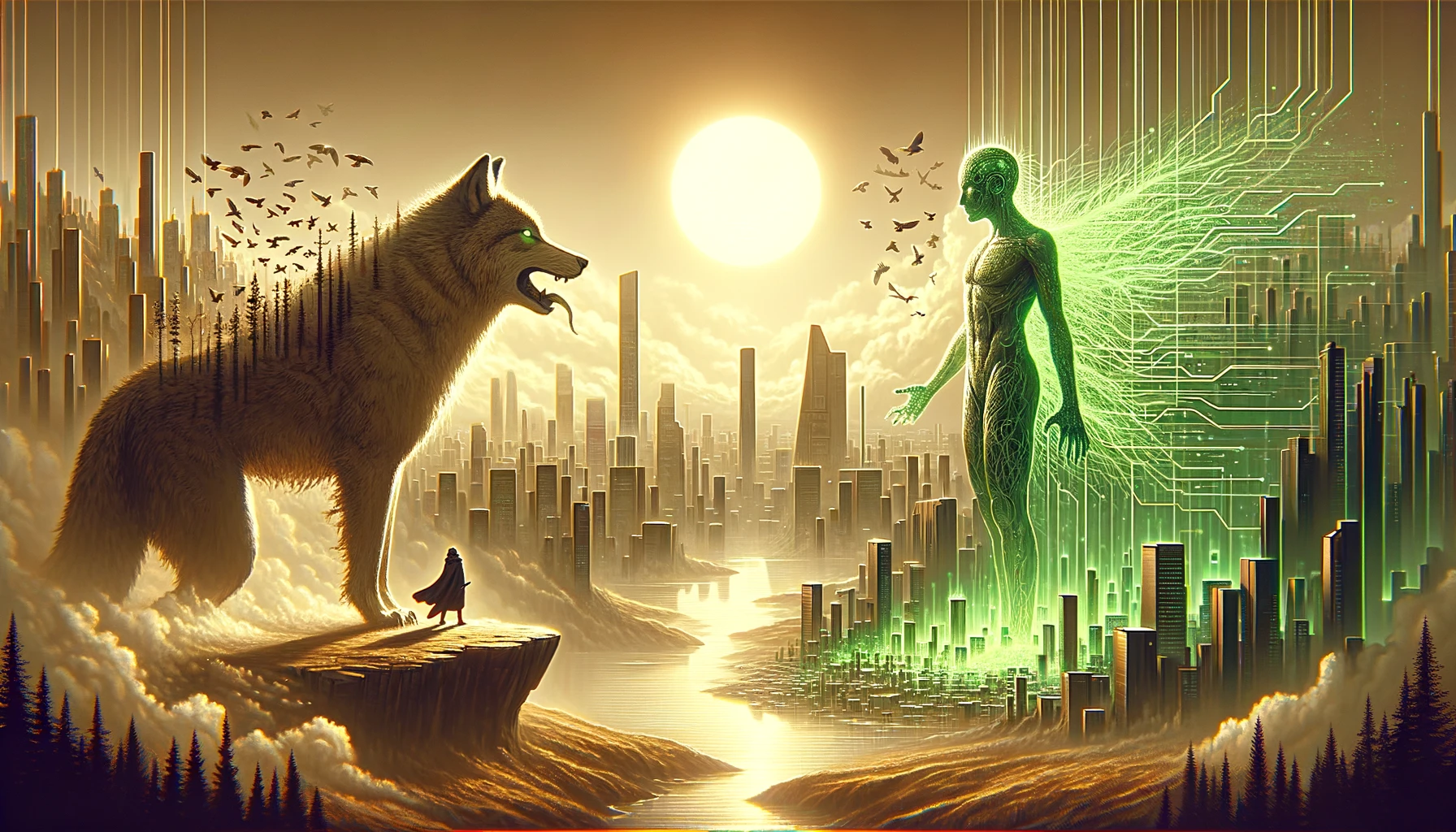
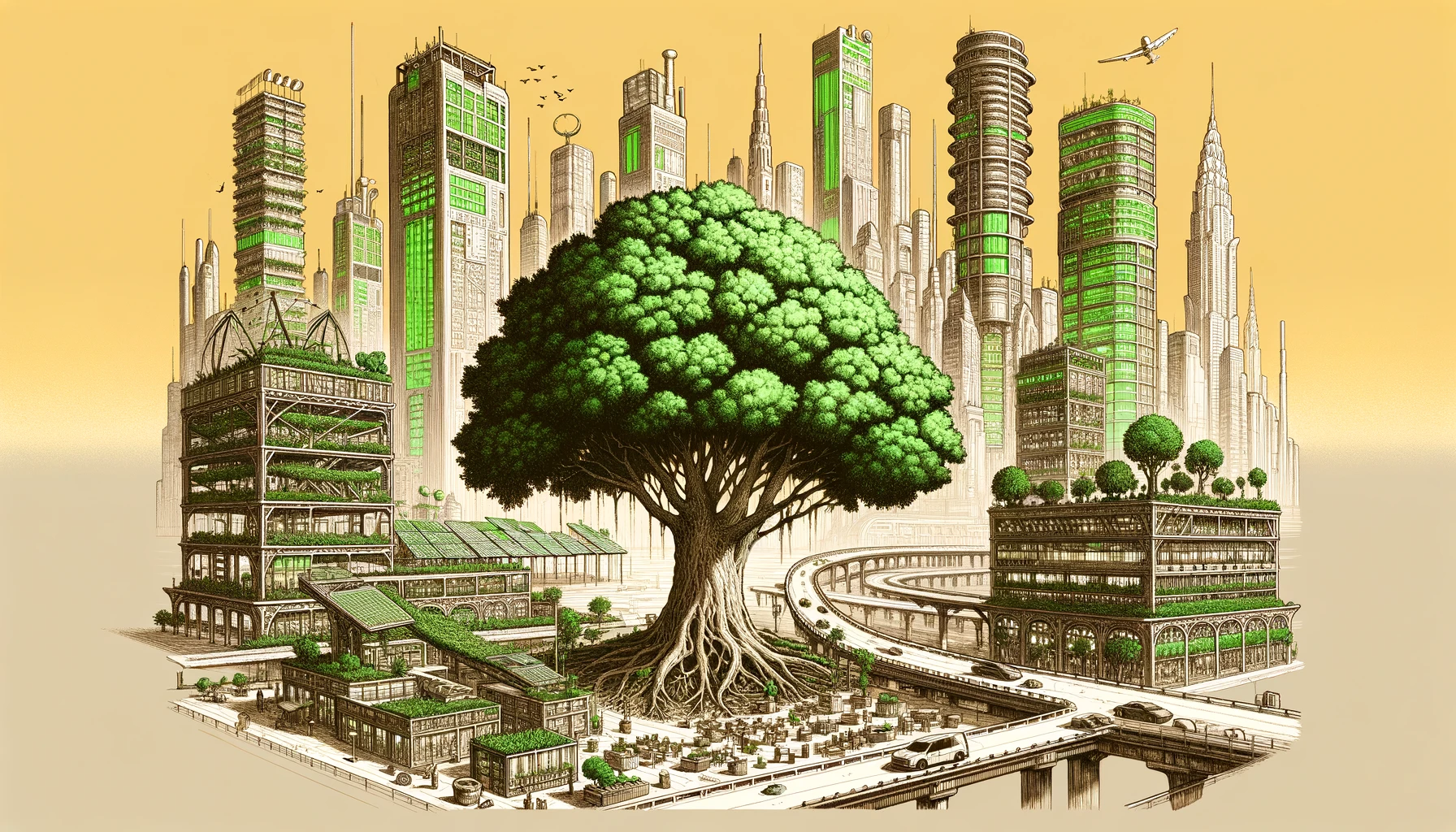
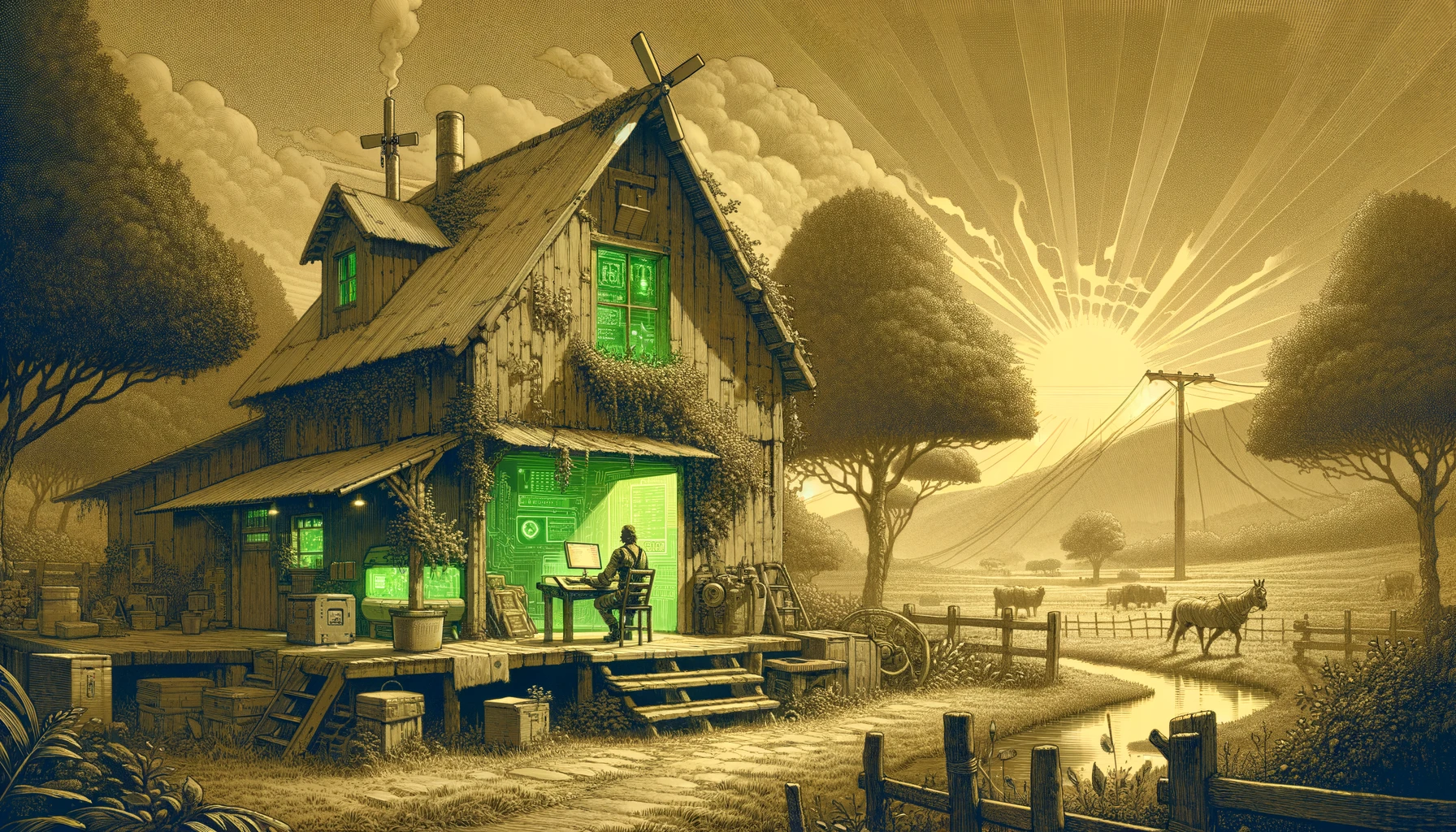
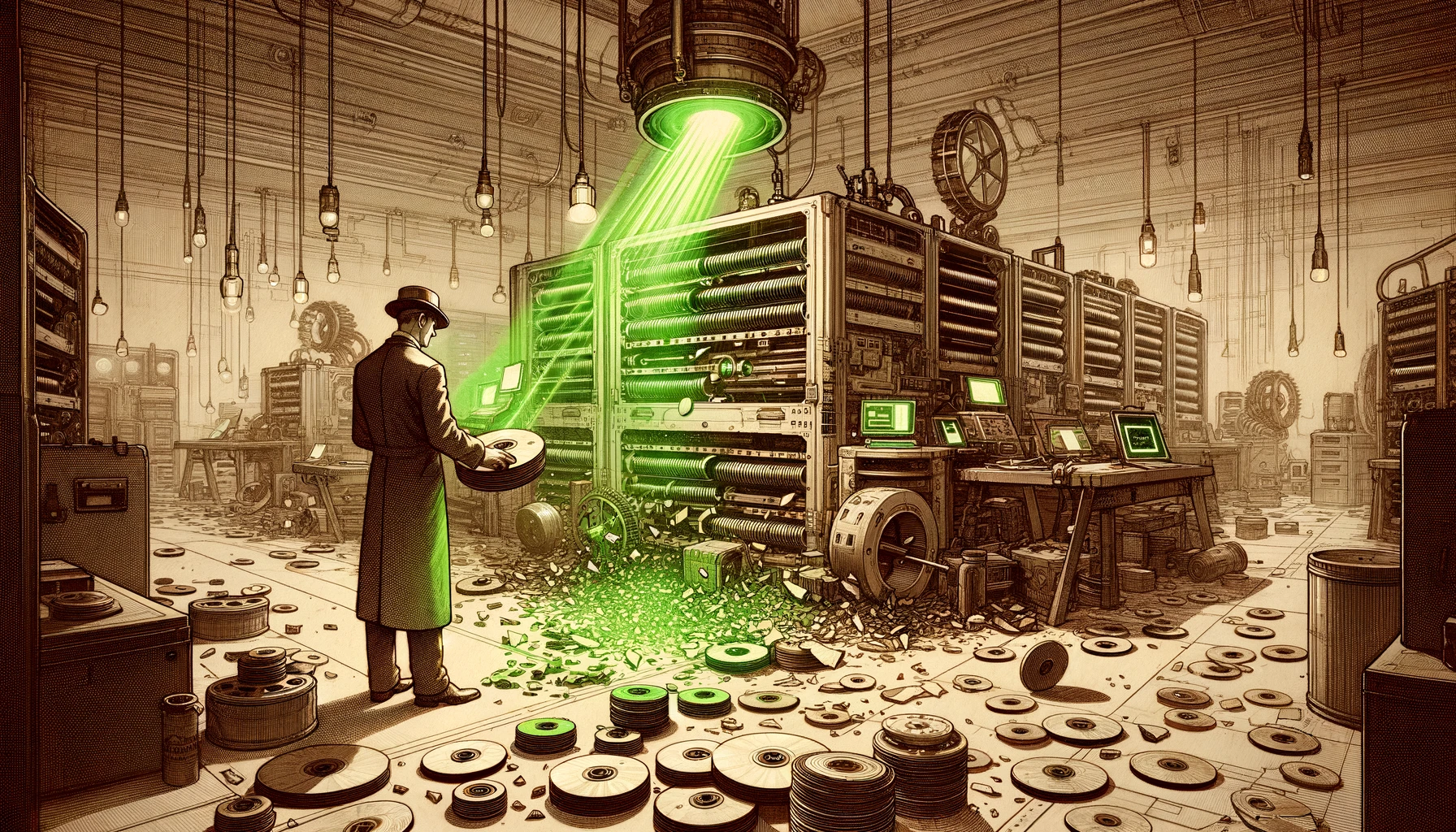
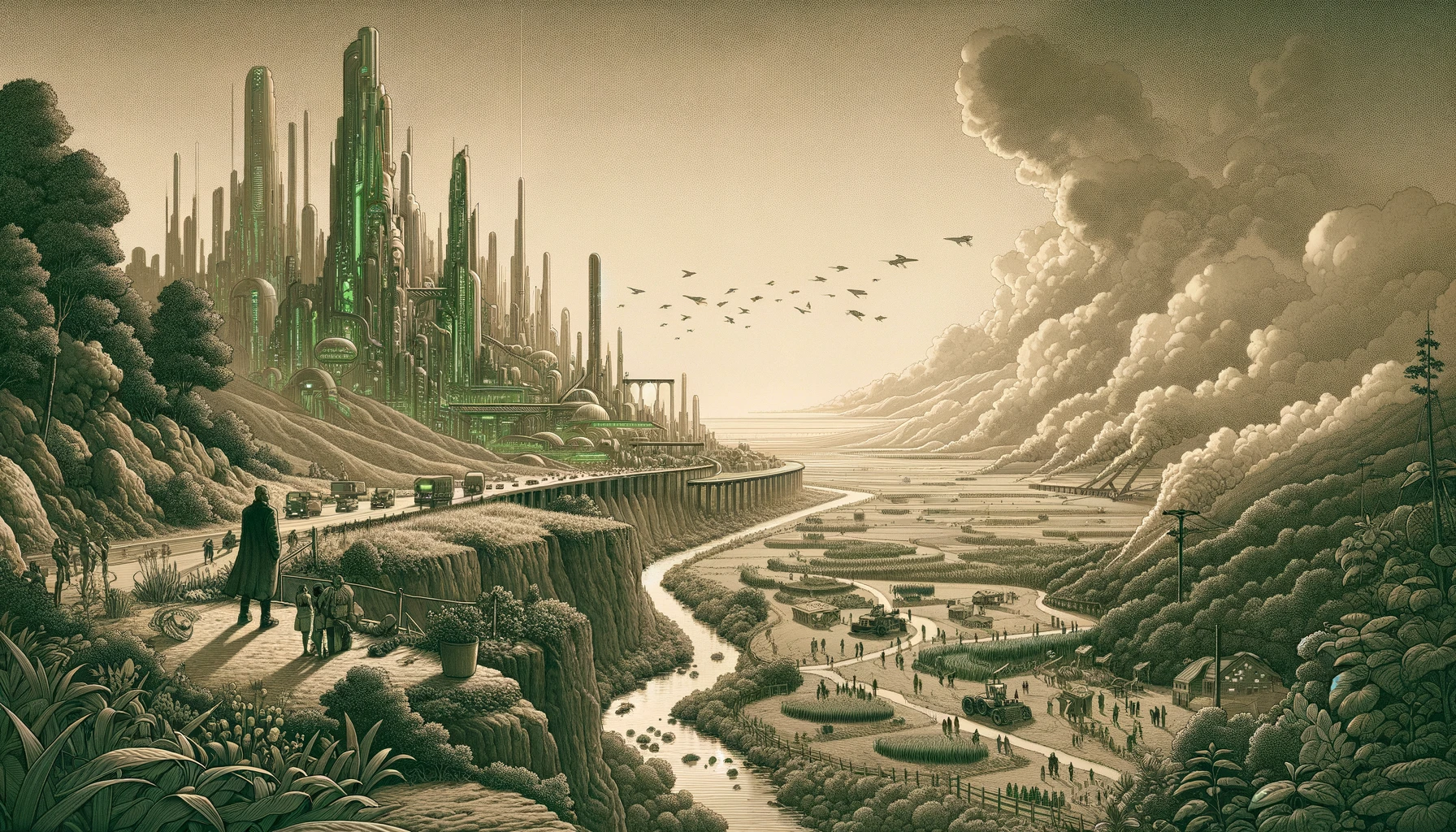
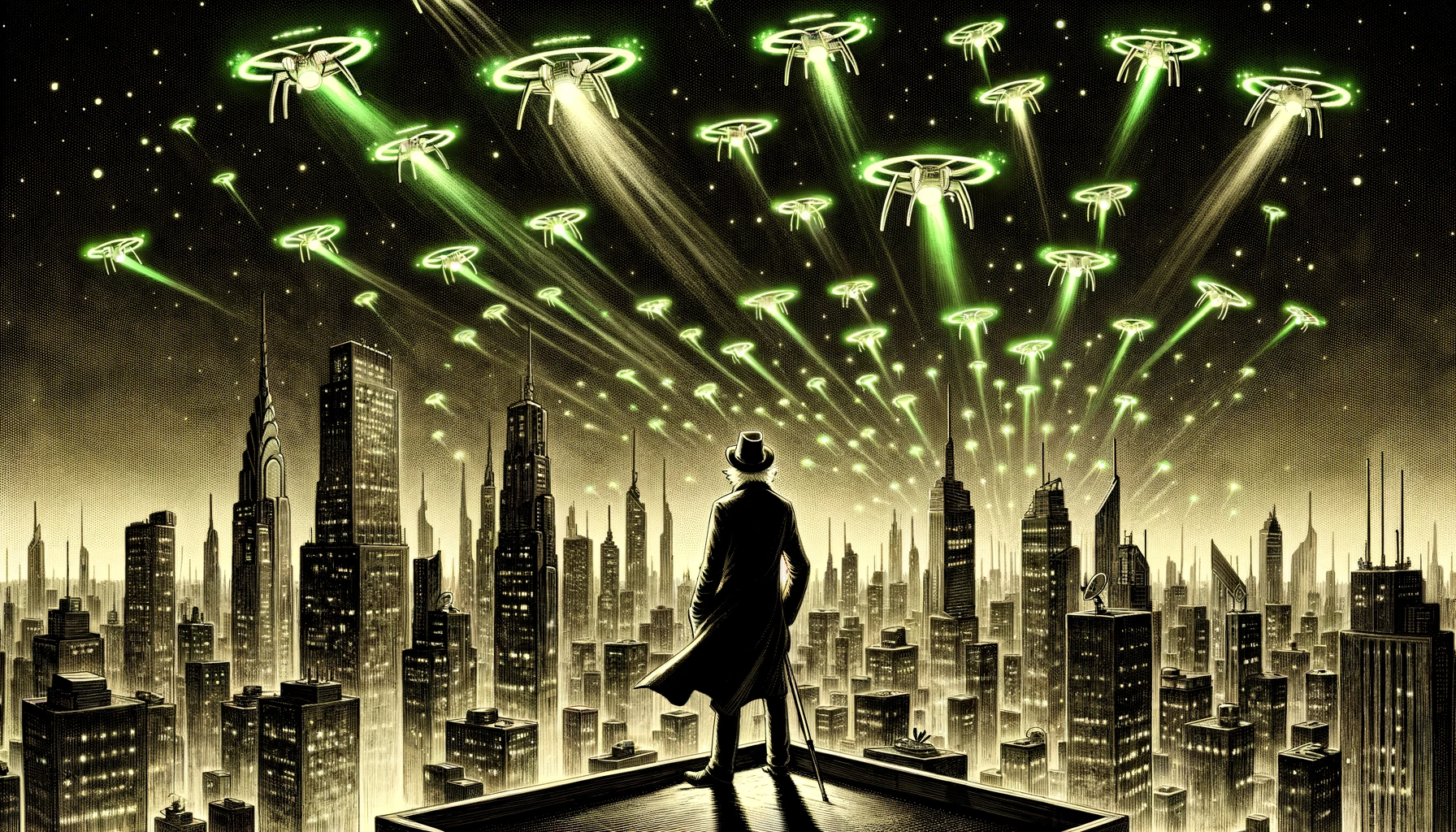
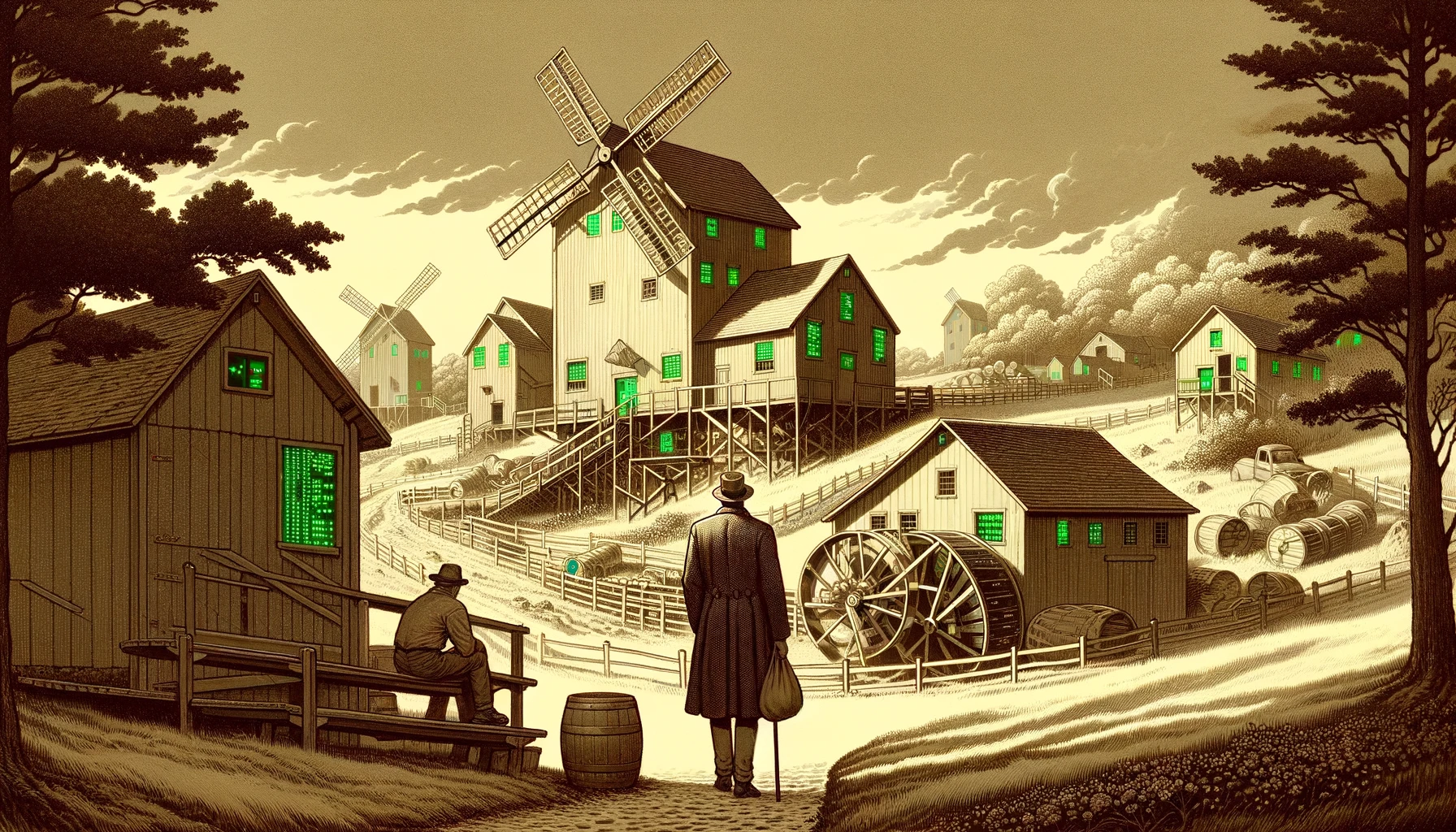
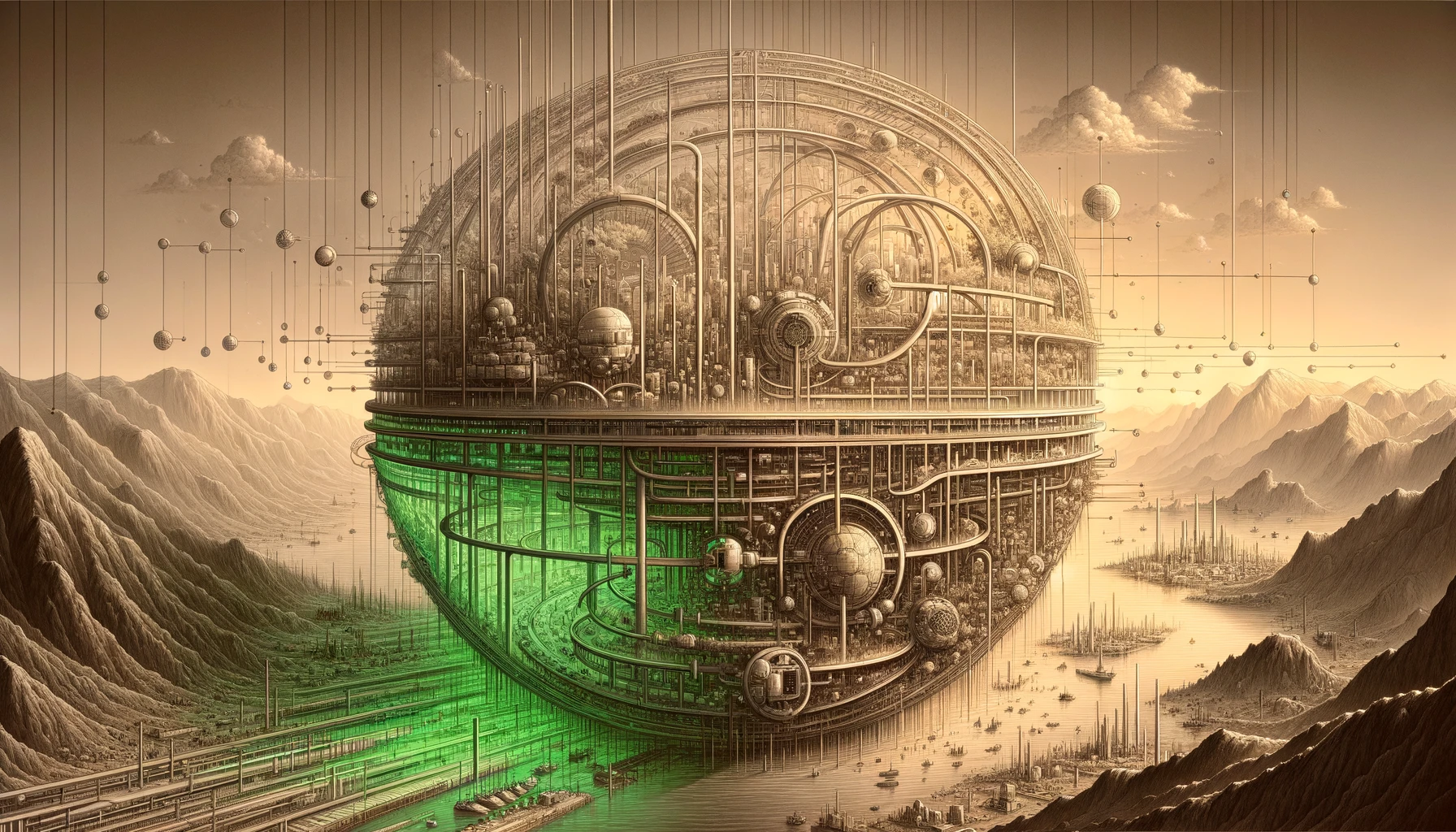
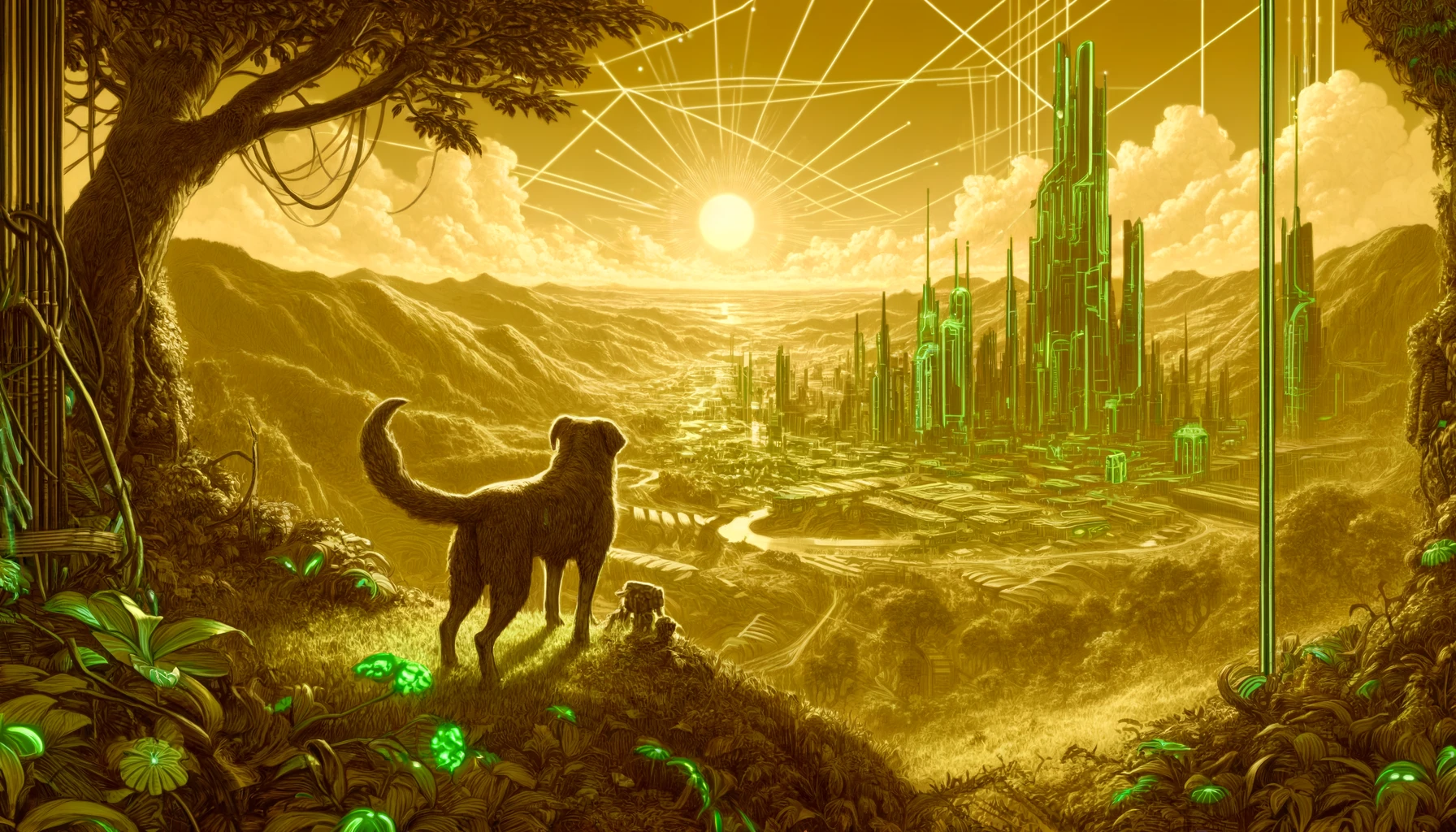
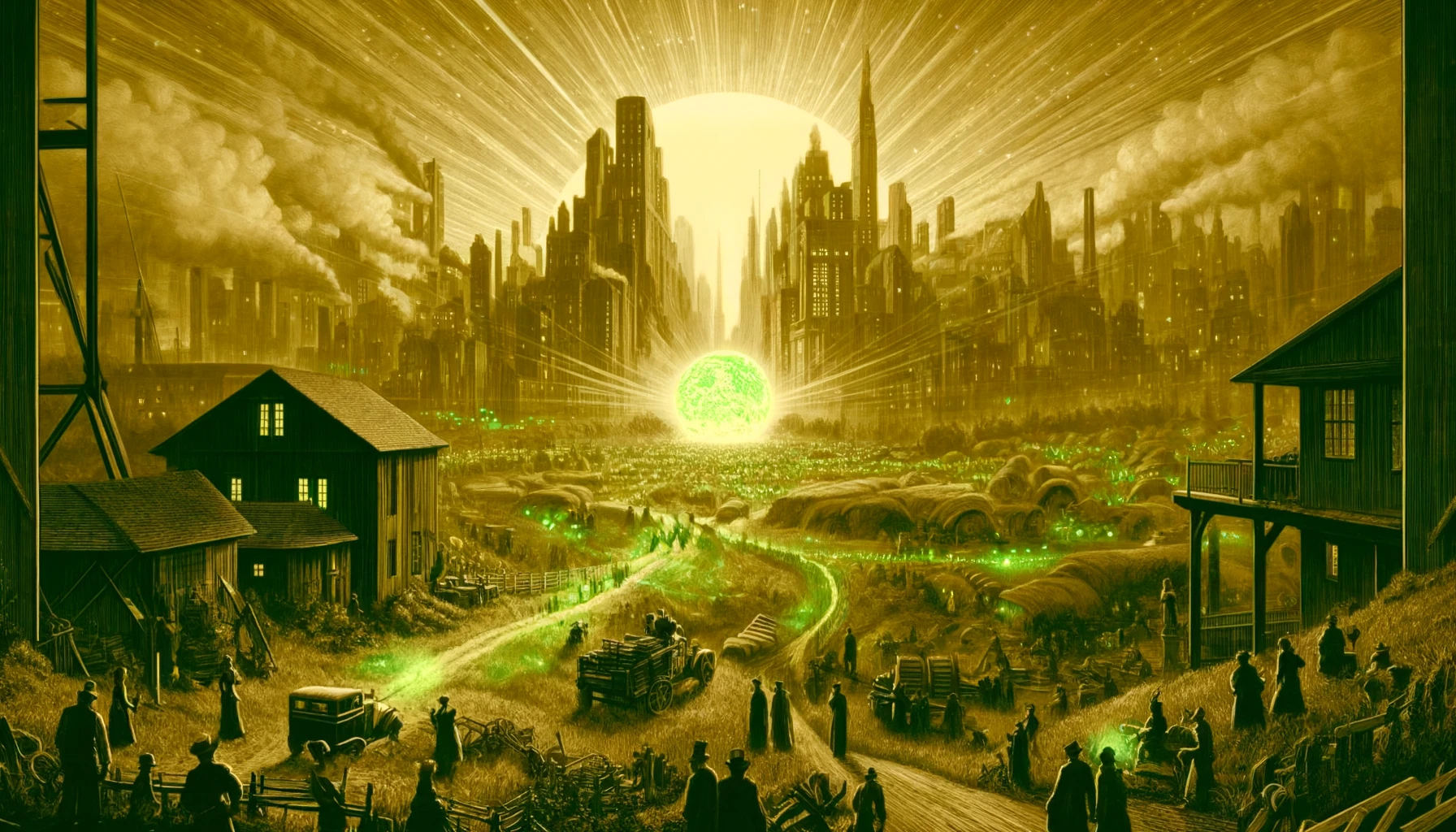
About this collection
While technology may change, human behavior does not. At least, that’s what reading the collection of Aesop’s Fables suggests. The characters and motivations in the parables, attributed to Aesop after he died in 564 BCE, remain relevant today.
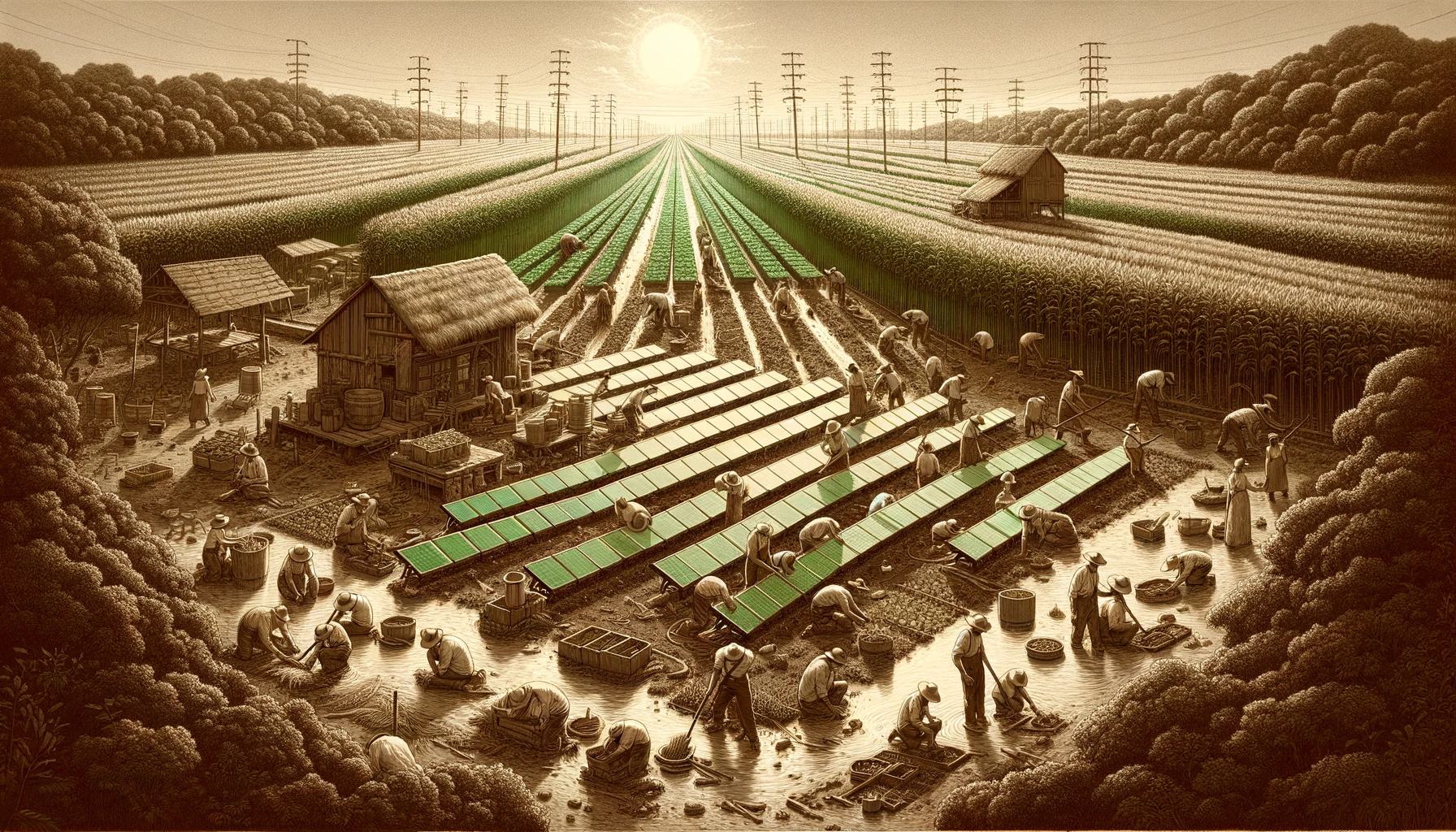
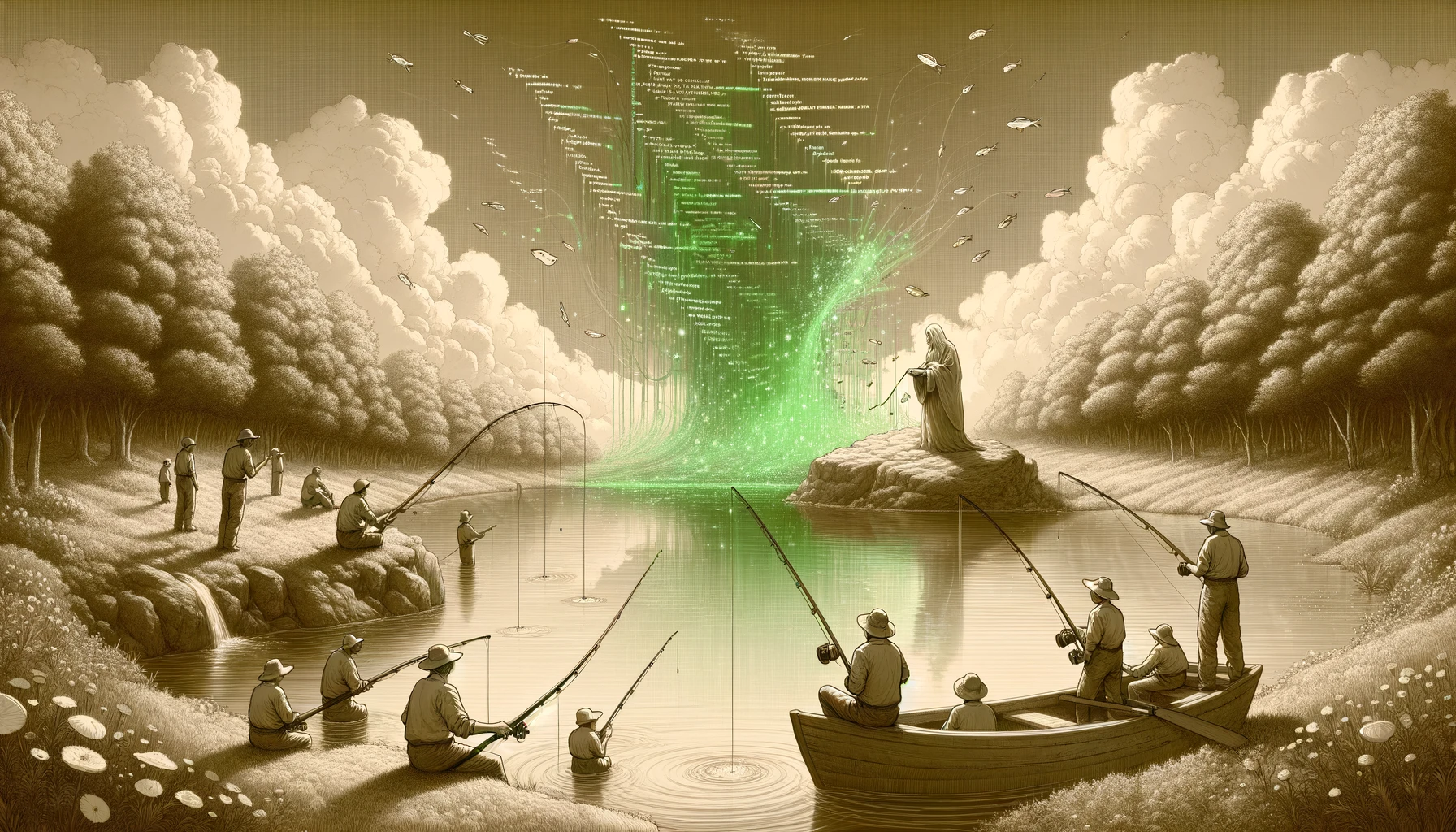
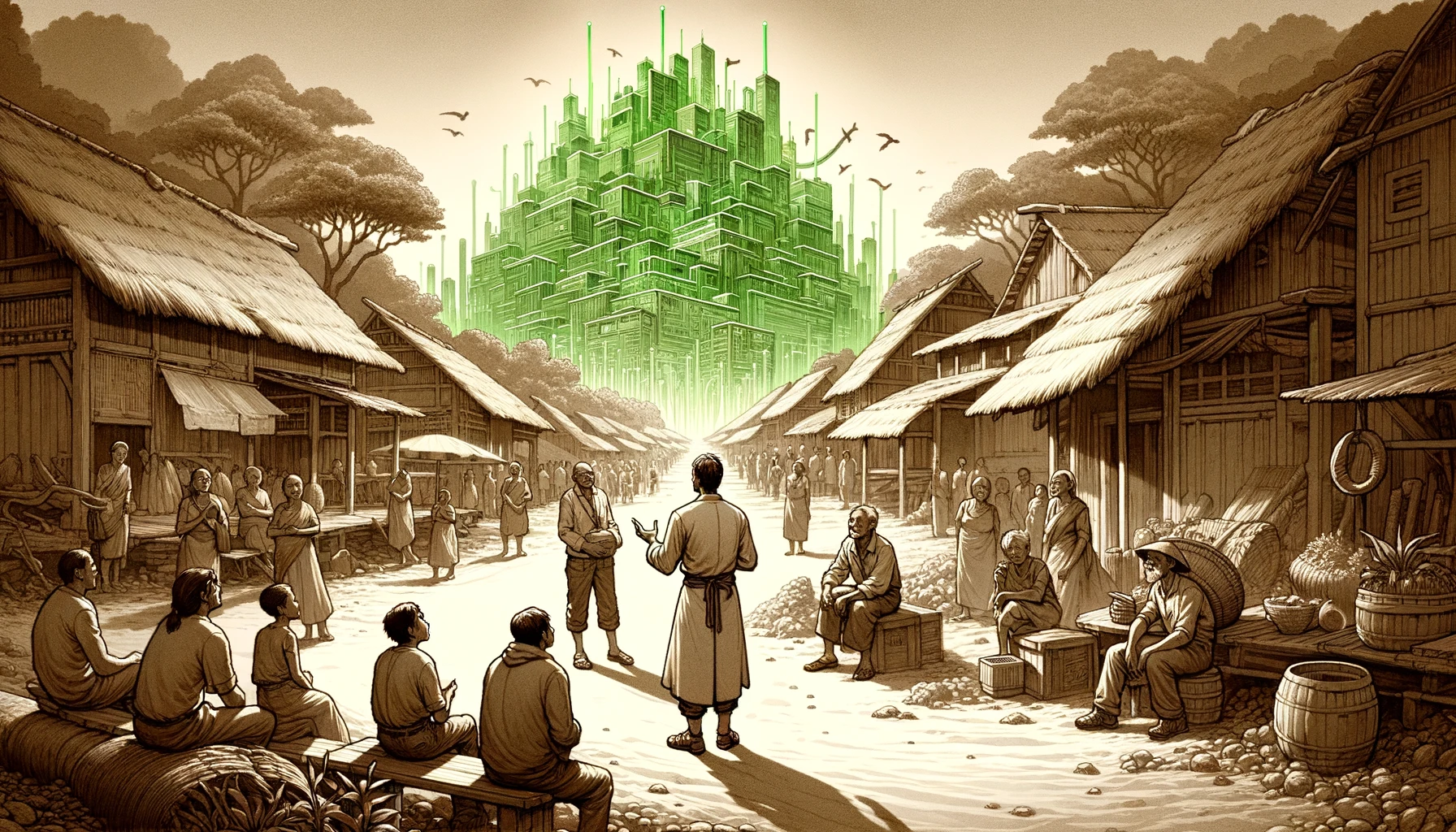
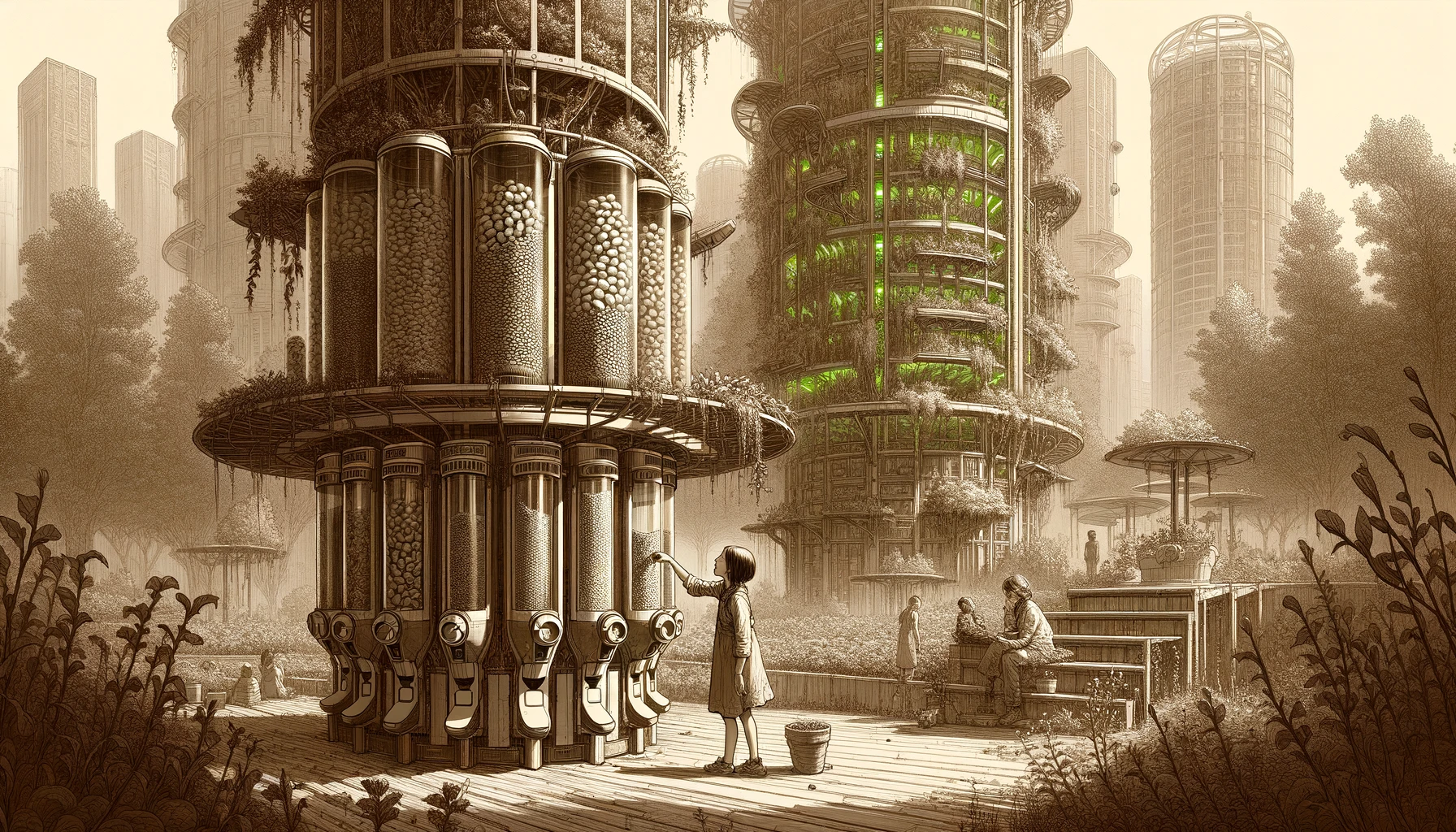
Aesop 2021 projects these well-known (and not-so-known) stories into an age only a stone’s throw from our own. When cynicism and pessimism abound, hope becomes a rebellious act against the tyranny of the default. Each story recasts a fable’s lesson from our upcoming solarpunk future as a software tale.
The Aesop 2021 project is part of the Never Break the Chain March Writing Challenge. The original sources were translated by George Fyler Townsend and provided under the Project Gutenberg license. Addition reference provided by a Library of Congress interactive book adapted from the public domain book “The Aesop for Children: with Pictures by Milo Winter,” published by Rand, McNally & Co in 1919.
Behind the collection
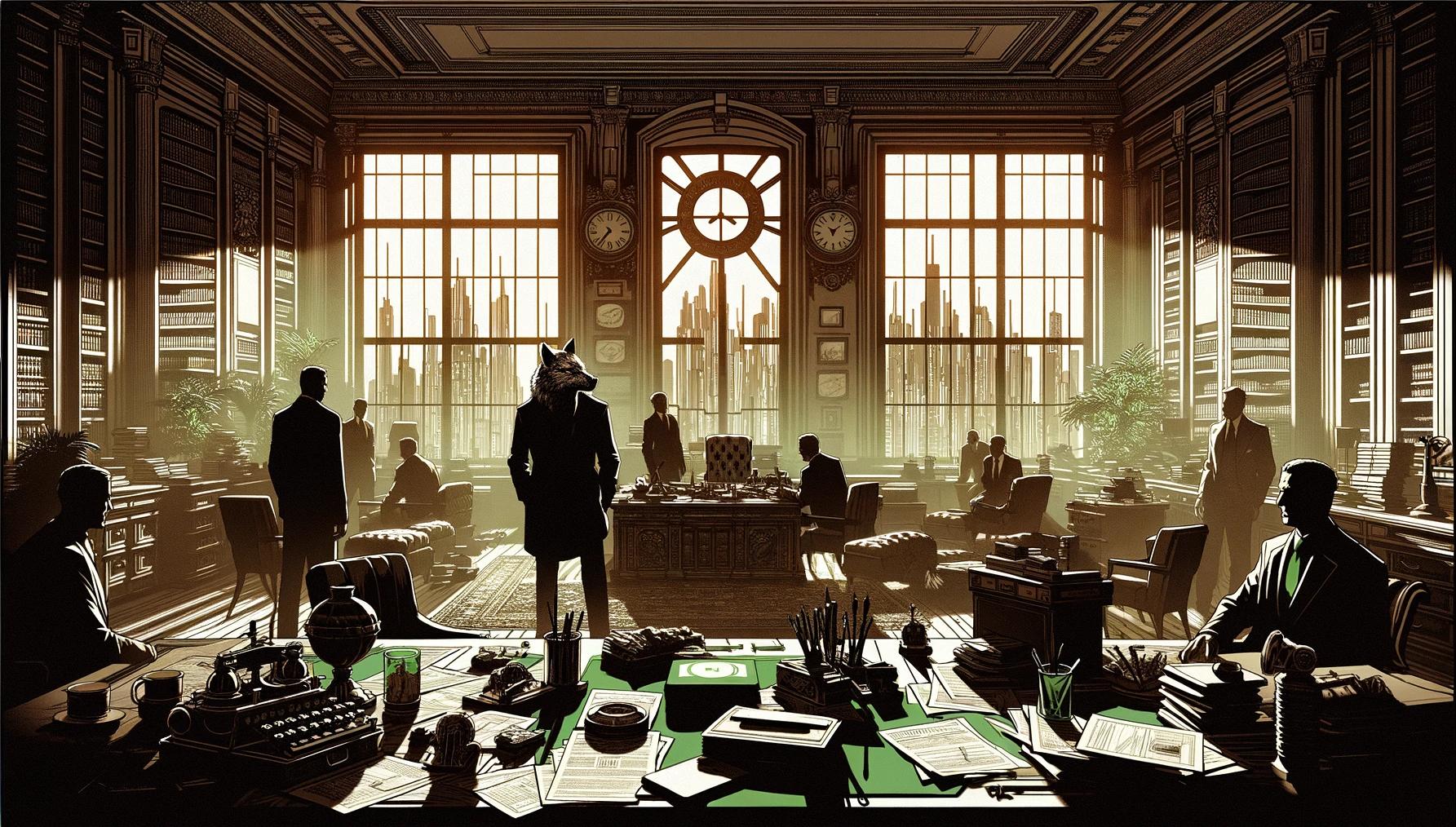
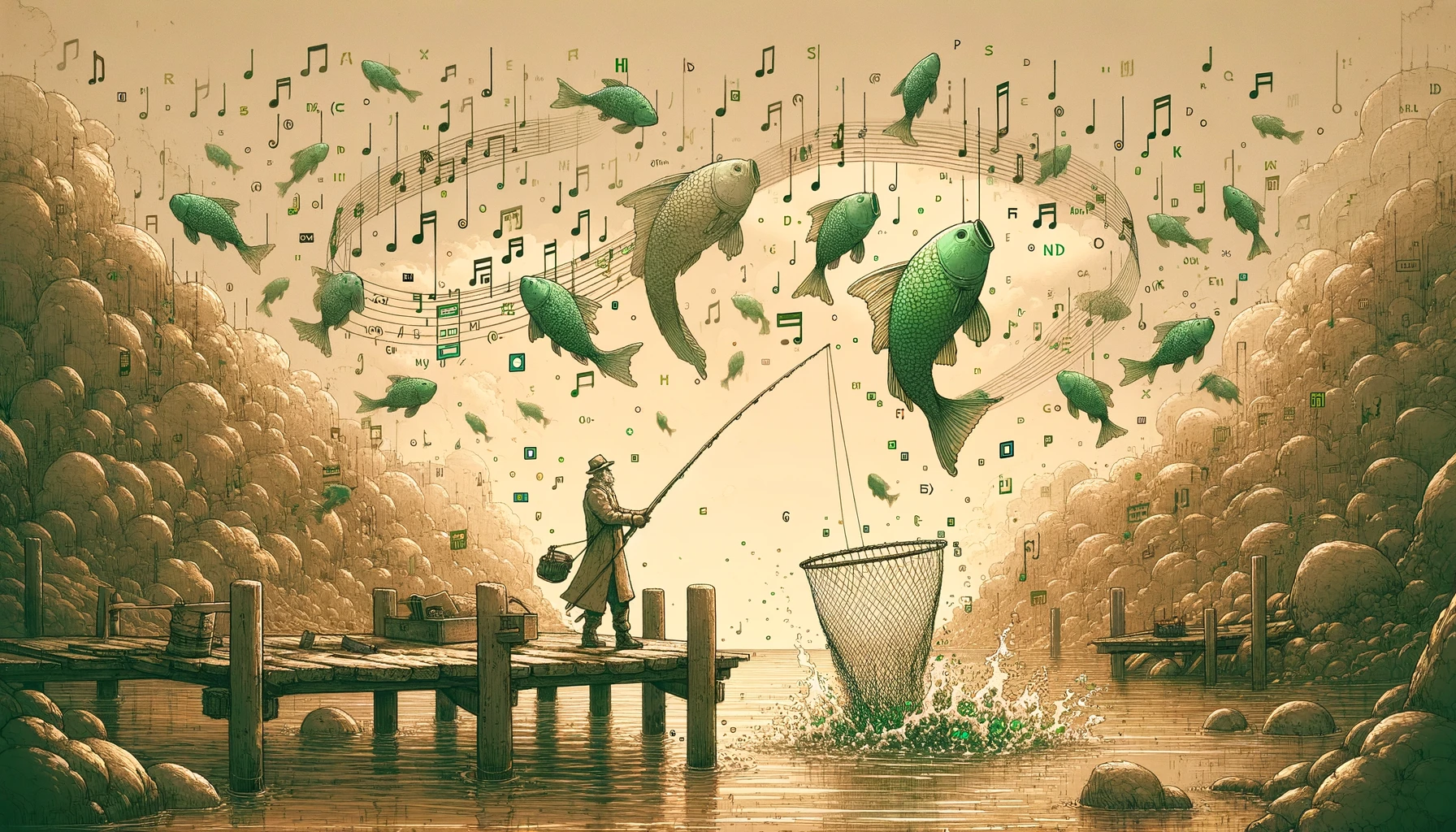
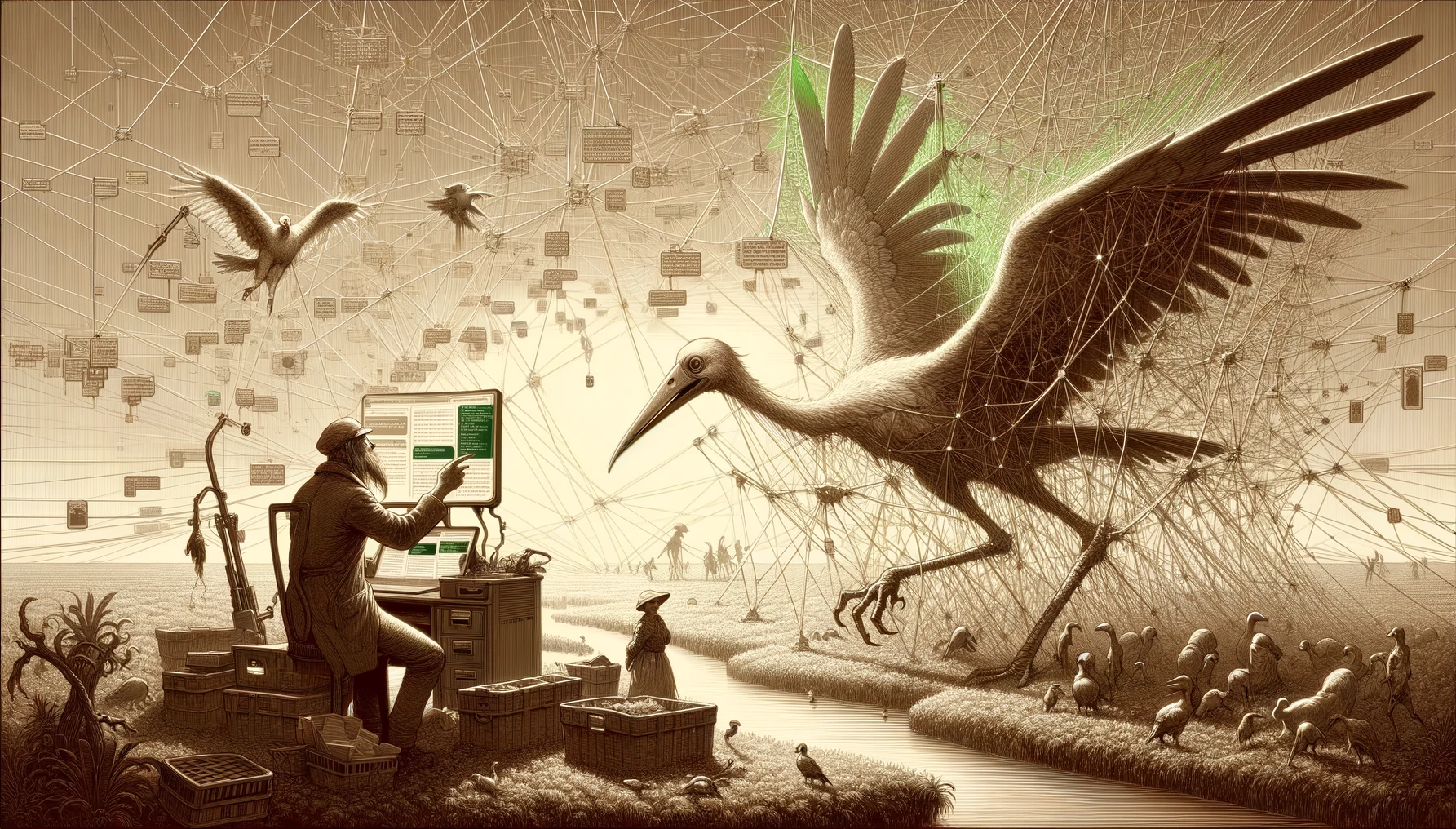
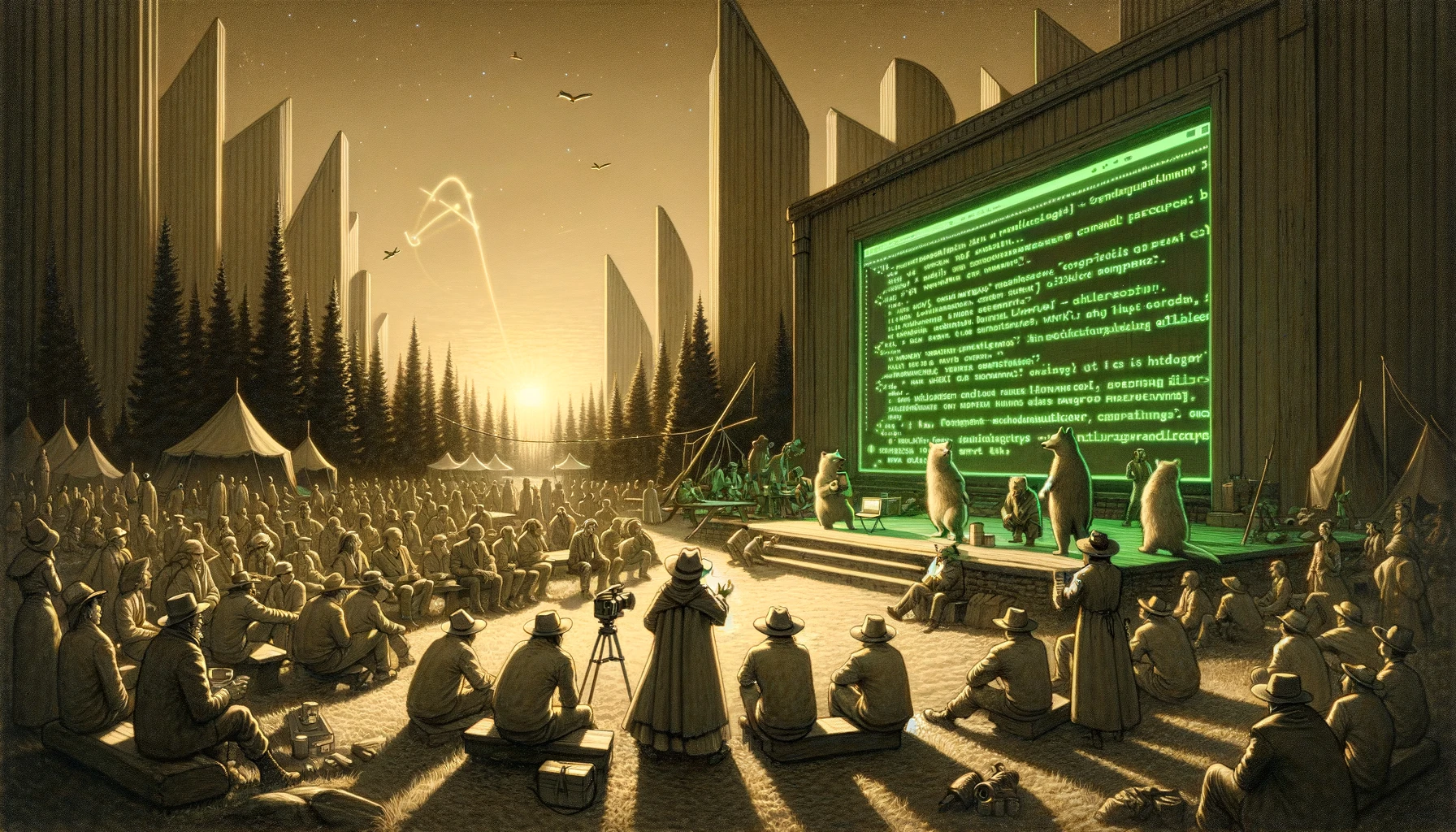
The Aesop 2021 project was my contribution to a writing challenge with a few other software consultants. For every workday in March, 2024, I “upcycled” a hopeful and solar-punkish Aesop Fable. While the other participants were finishing their technical books, I was there, writing my weird little morality tales. I felt like a third wheel at times; always have to be different. Oh well. I still like them. And I think, with time, my art direction for the accompanying illustrations captures the early GPT zeitgeist.